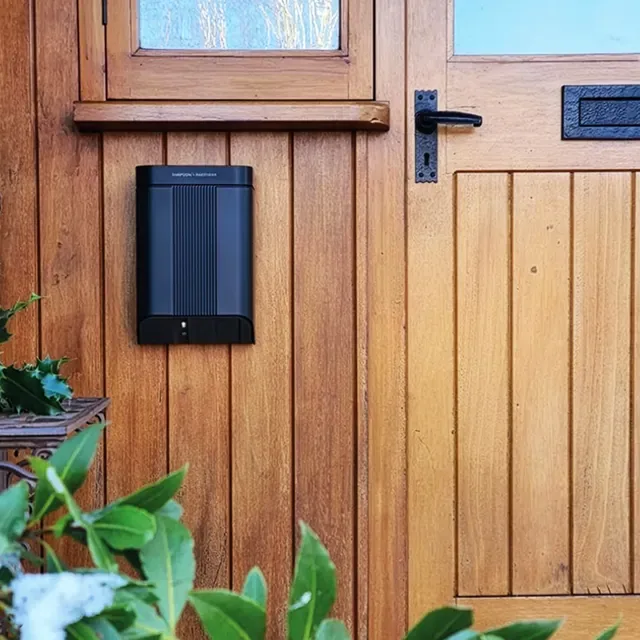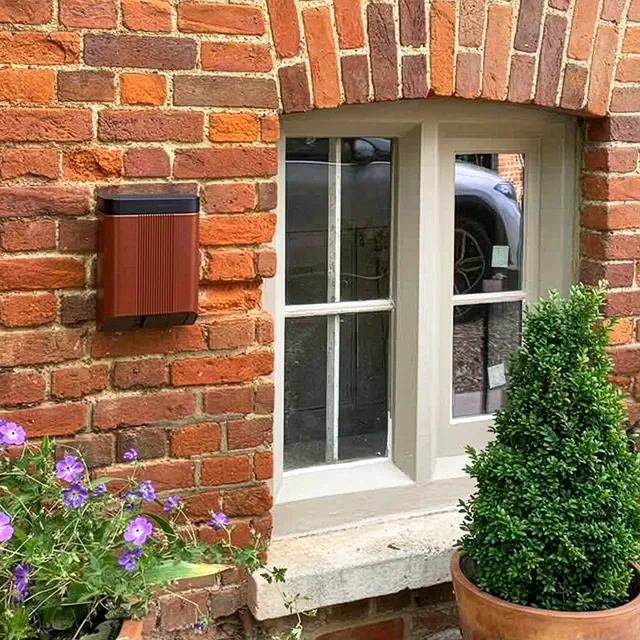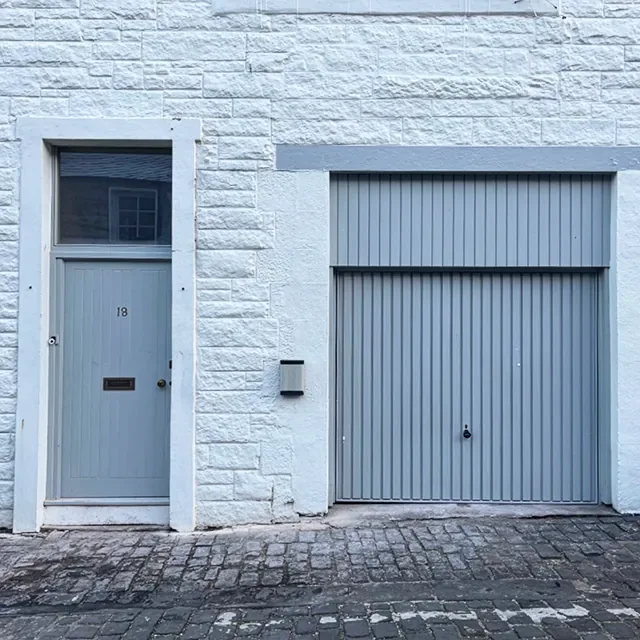
The quiet craft of an EV charger that lasts a generation.
Behind the scenes of our Cotswolds HQ. It’s here that we build our EV chargers. Meet our hand-finished Accoya® lids and learn why our EV chargers are products you'll never have to replace.
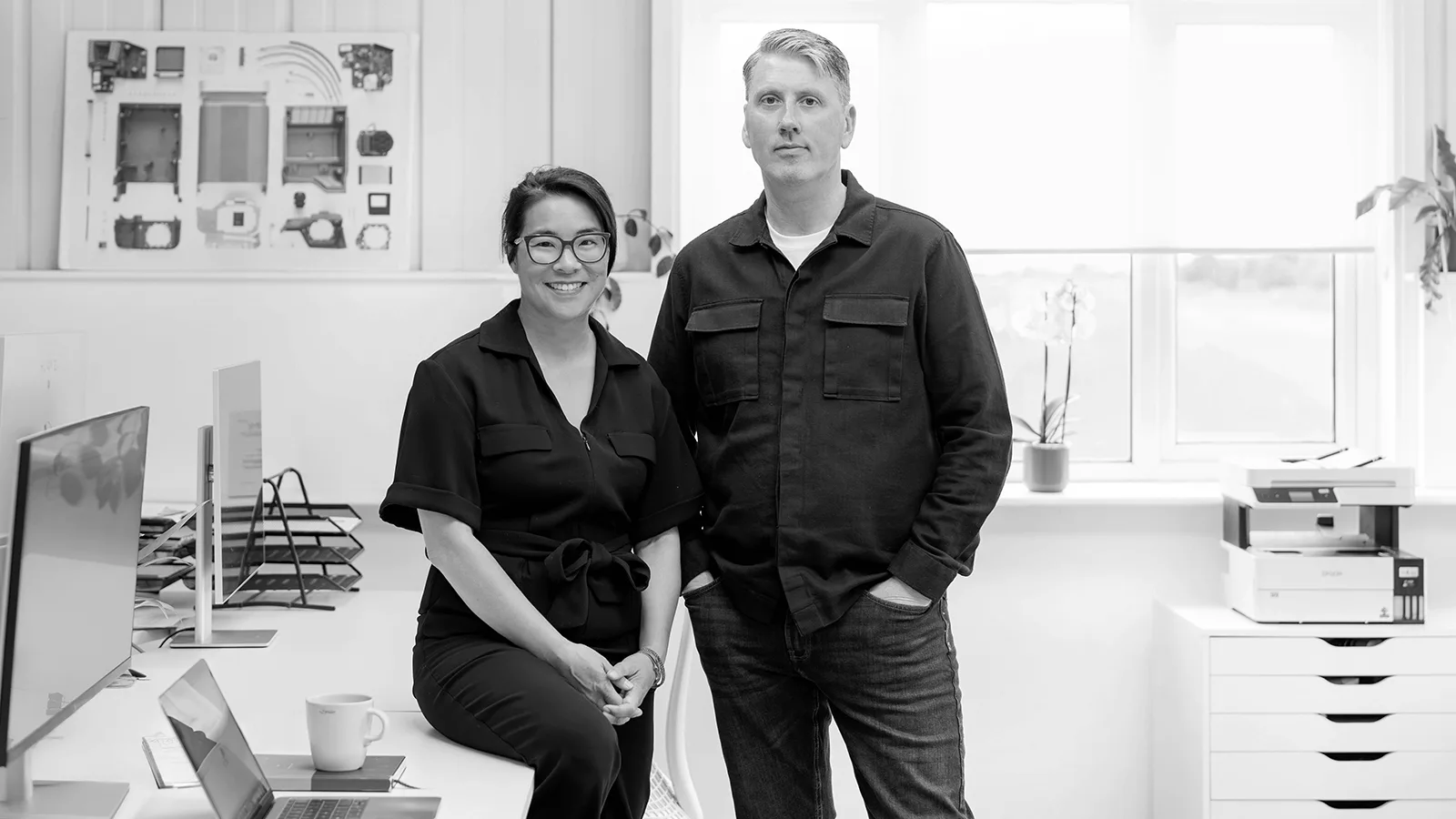
We set out to design a home EV charger and we started with a simple goal. To build one that could live on a wall or on a post for long time. That didn’t need to be replaced in three years, or five years or ten years. We knew we understood the electronics inside. We knew how to model an elegant enclosure to house the electronics. Over the years, David had assembled a very tight knit team of electronic engineers and mechanical engineers. Creating Andersen, husband and wife team Mandy and David Simpson's first business EV charger business, showed them what things to do and what things to leave out. So under David’s direction and guidance, we set out to build an elegant EV charger solution.
We knew we wanted to create a quality product, therefore we’d have to use quality components. We knew we wanted to select gorgeous colour combinations and offer a warranty that was way better than everyone else’s. And we also wanted it to be affordable. To bring all these things together, meant that we had no choice but to do as many of these things in-house.
Our circuit boards are designed by us in-house by the same engineers that built the first CT scanners.
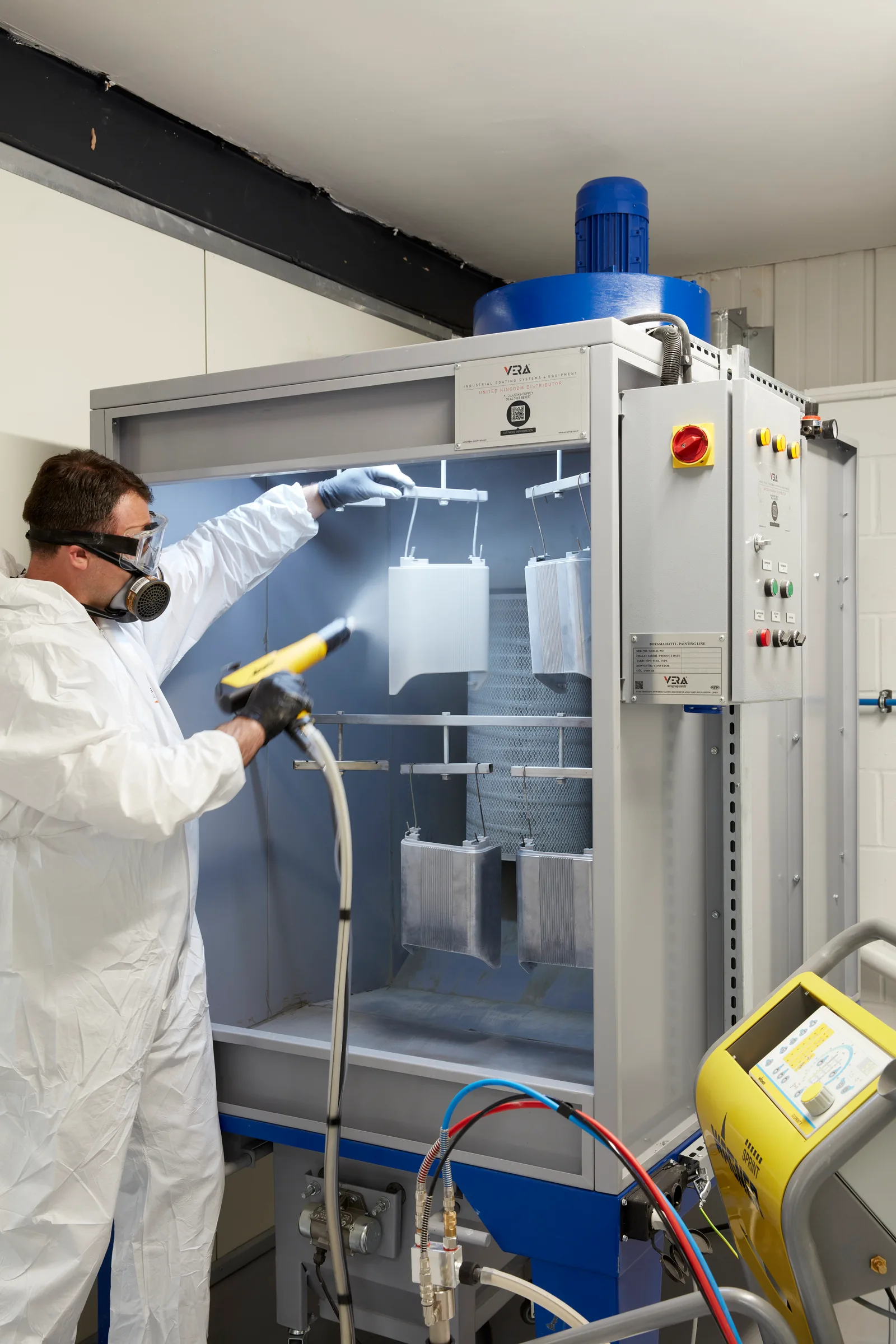
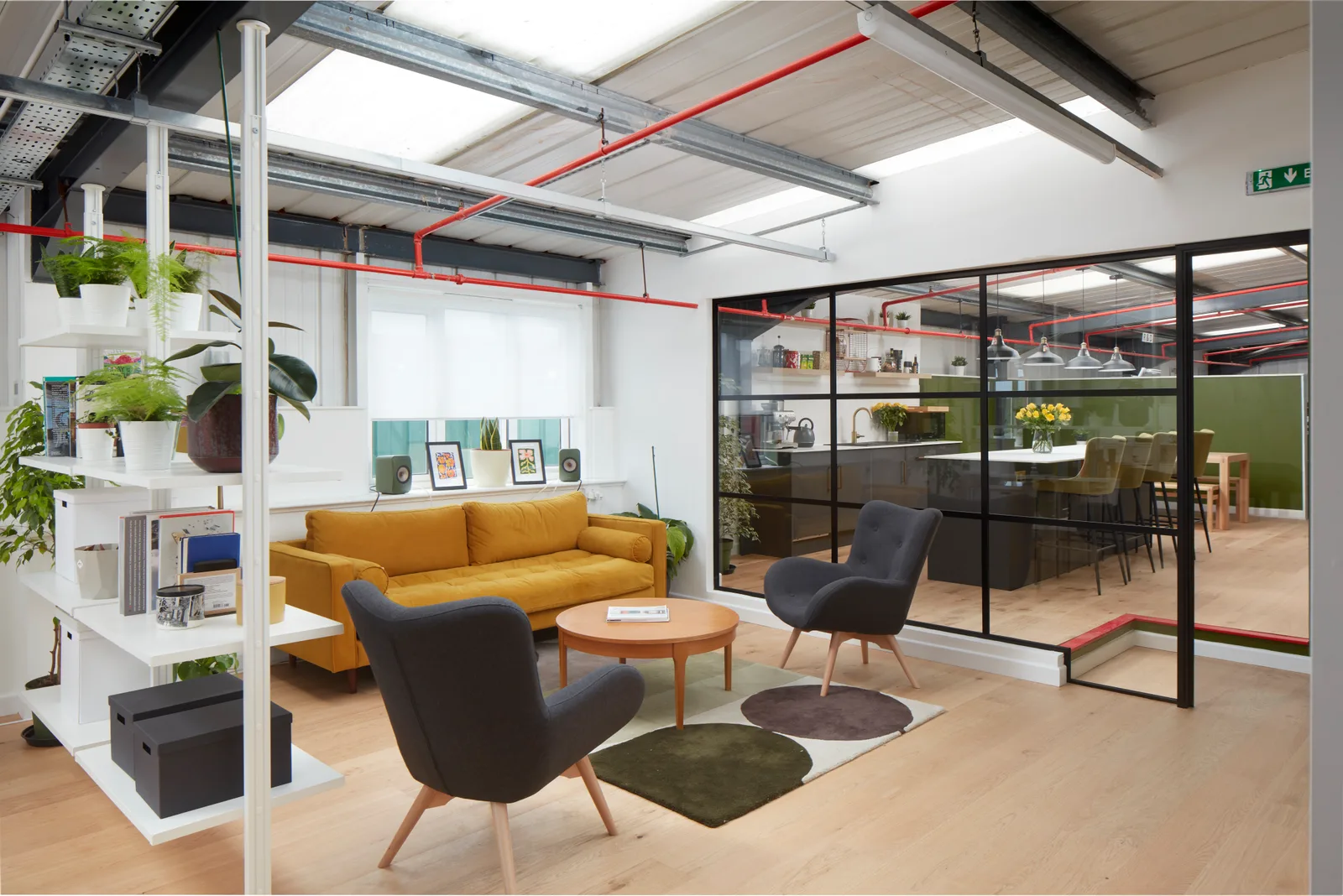
Our own warehouse, with mezzanine floors, Goods in, Goods out and powder coating booths.
As designers, we know how to ask questions. It’s part of the process. It’s something that comes naturally to David and myself. And we pooled our knowledge about metal die cast, injection moulding, radius tolerances, thermal dynamics and powder coating techniques together. David and Mandy are obsessed with getting the finer details right.
Mandy sourced real wood Accoya® from a London Design Surface and Design Show back in 2018. Since then Simpson & Partners have been using sustainable and robust Accoya wood for the wooden lids.
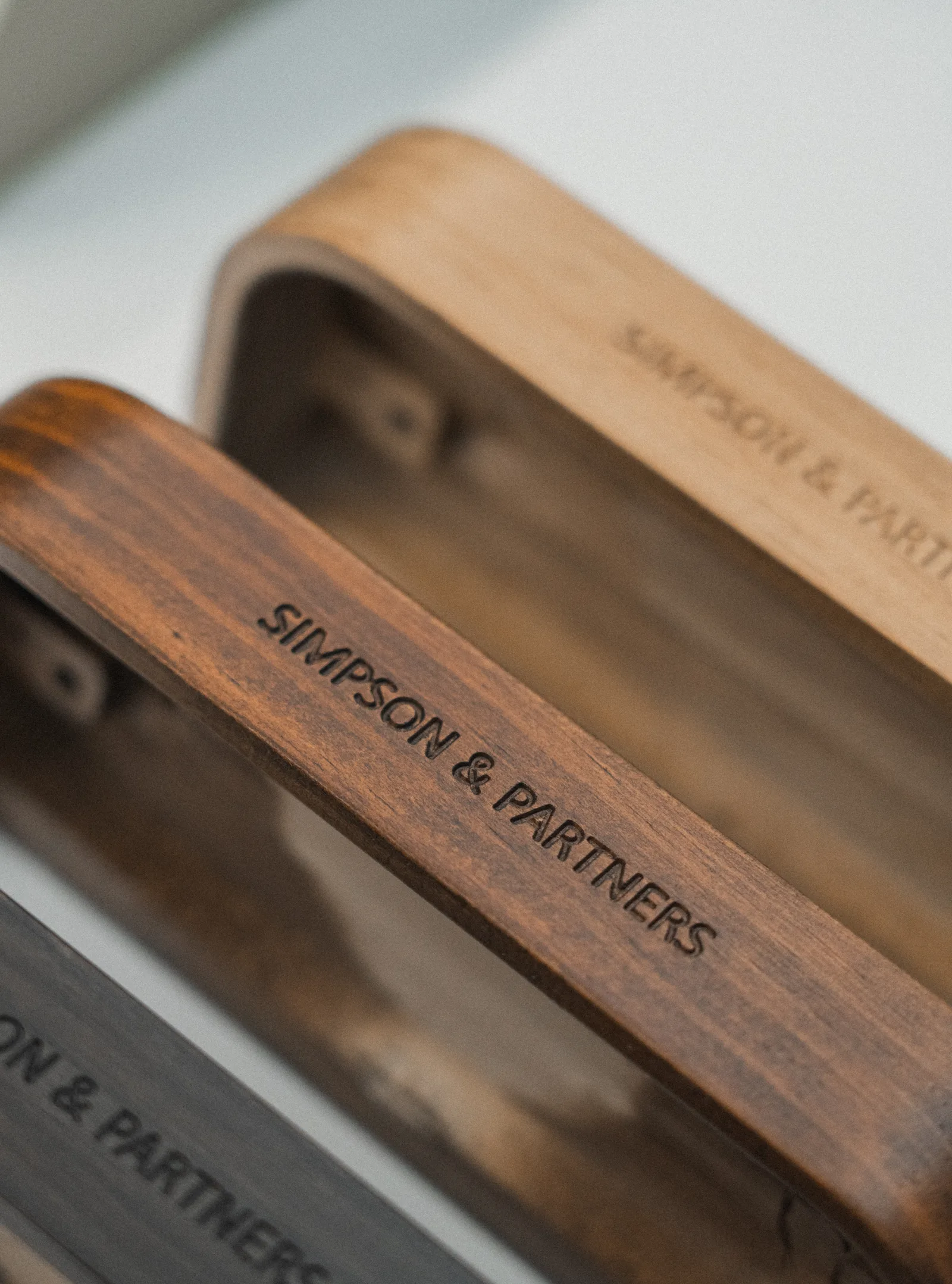
Wooden Accoya® (real wood) made by our carpenter.
The decision, made early and held to since, never to seal our units shut. Because a product you cannot open is a product you cannot upgrade.
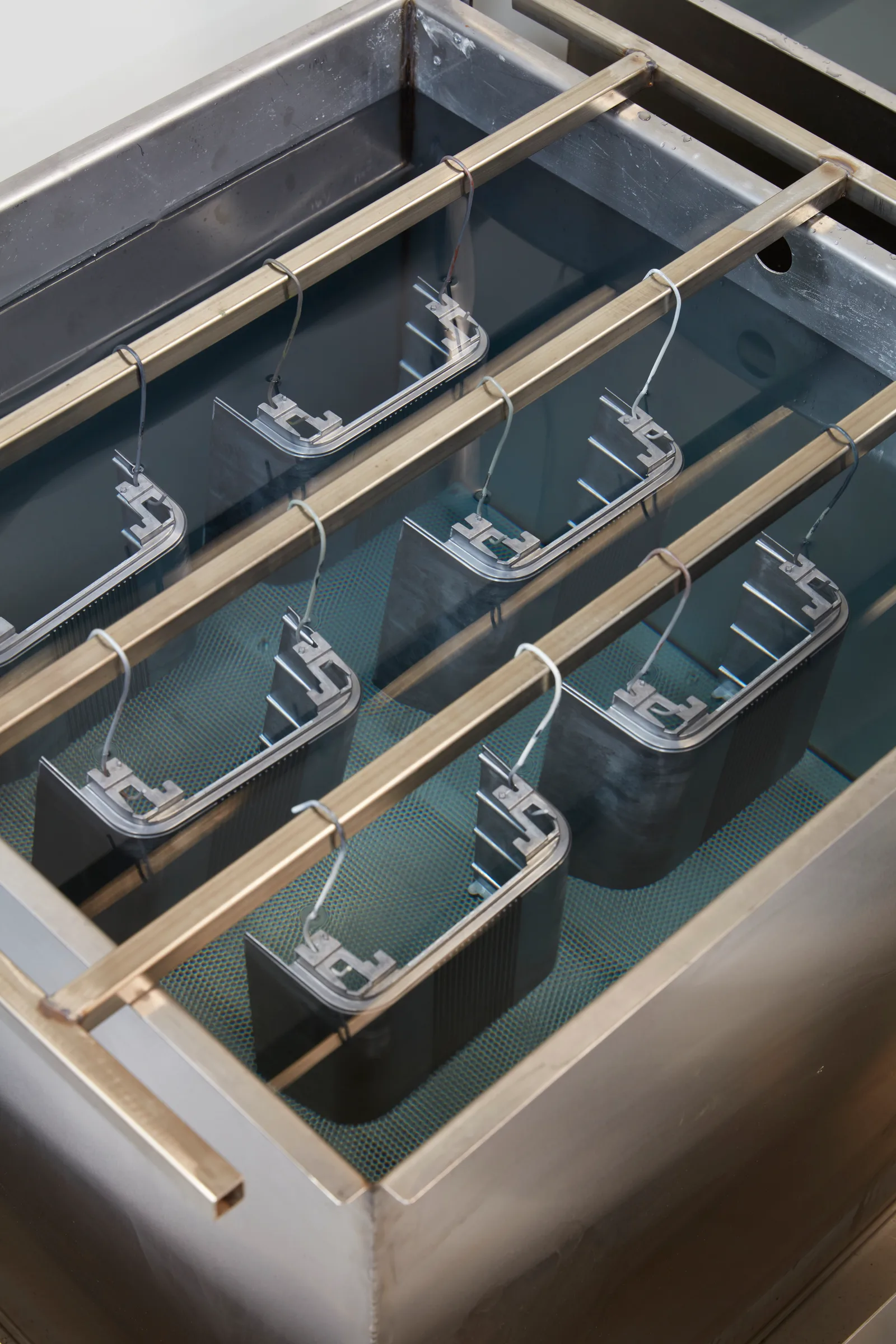
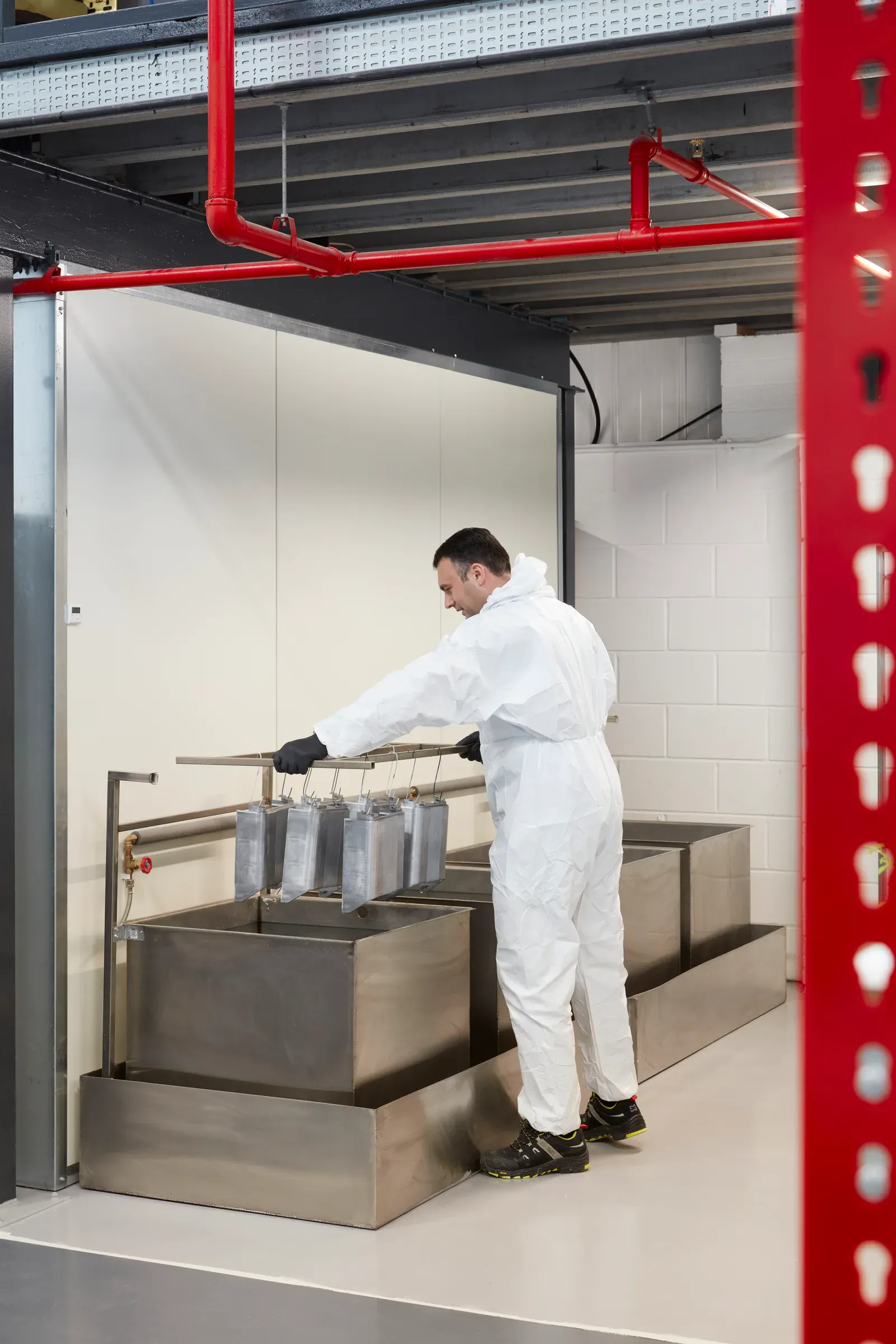
Metal covers being dipped, cleaned and prepared for powder coating.
A workshop, not a factory line
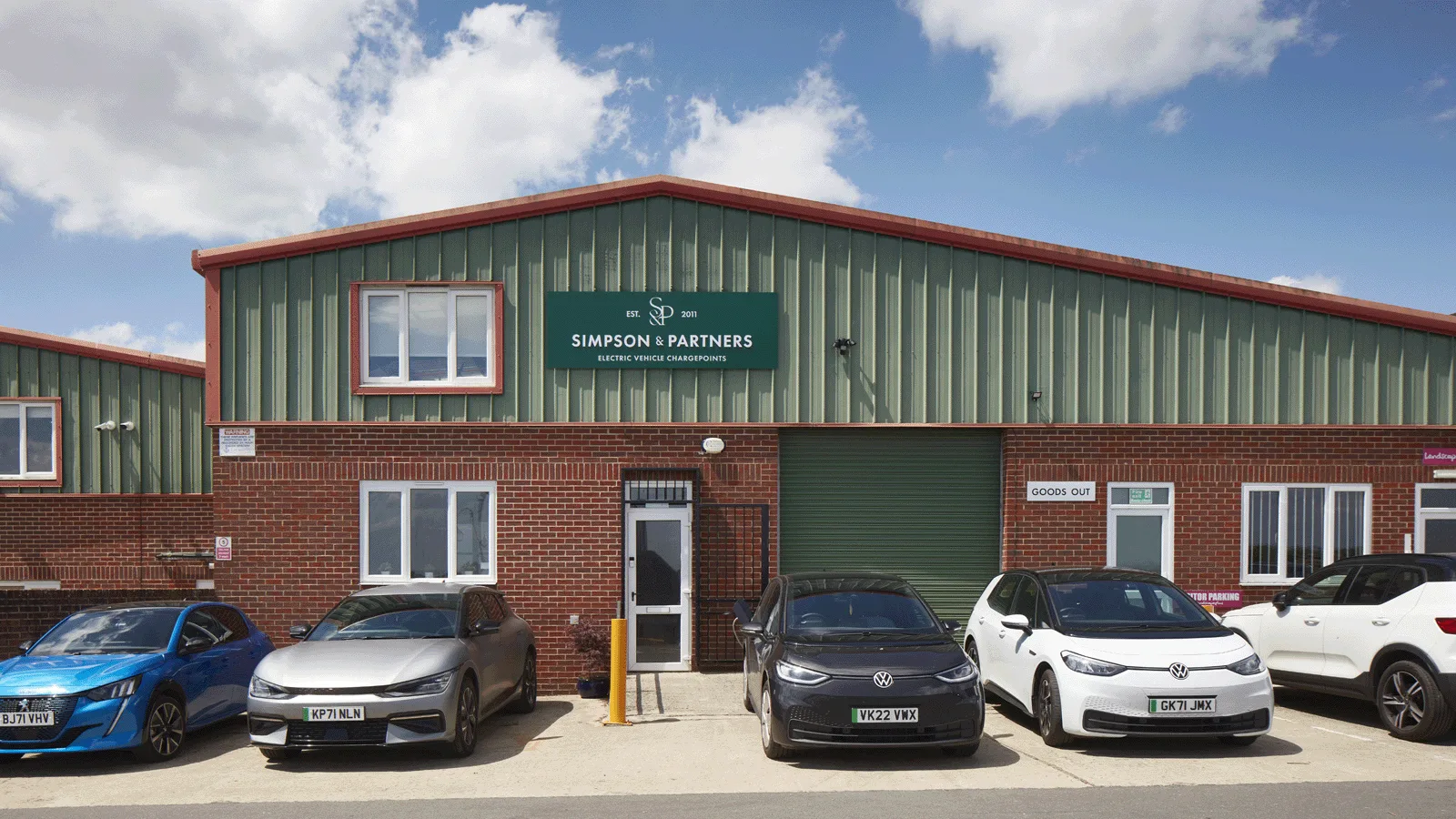
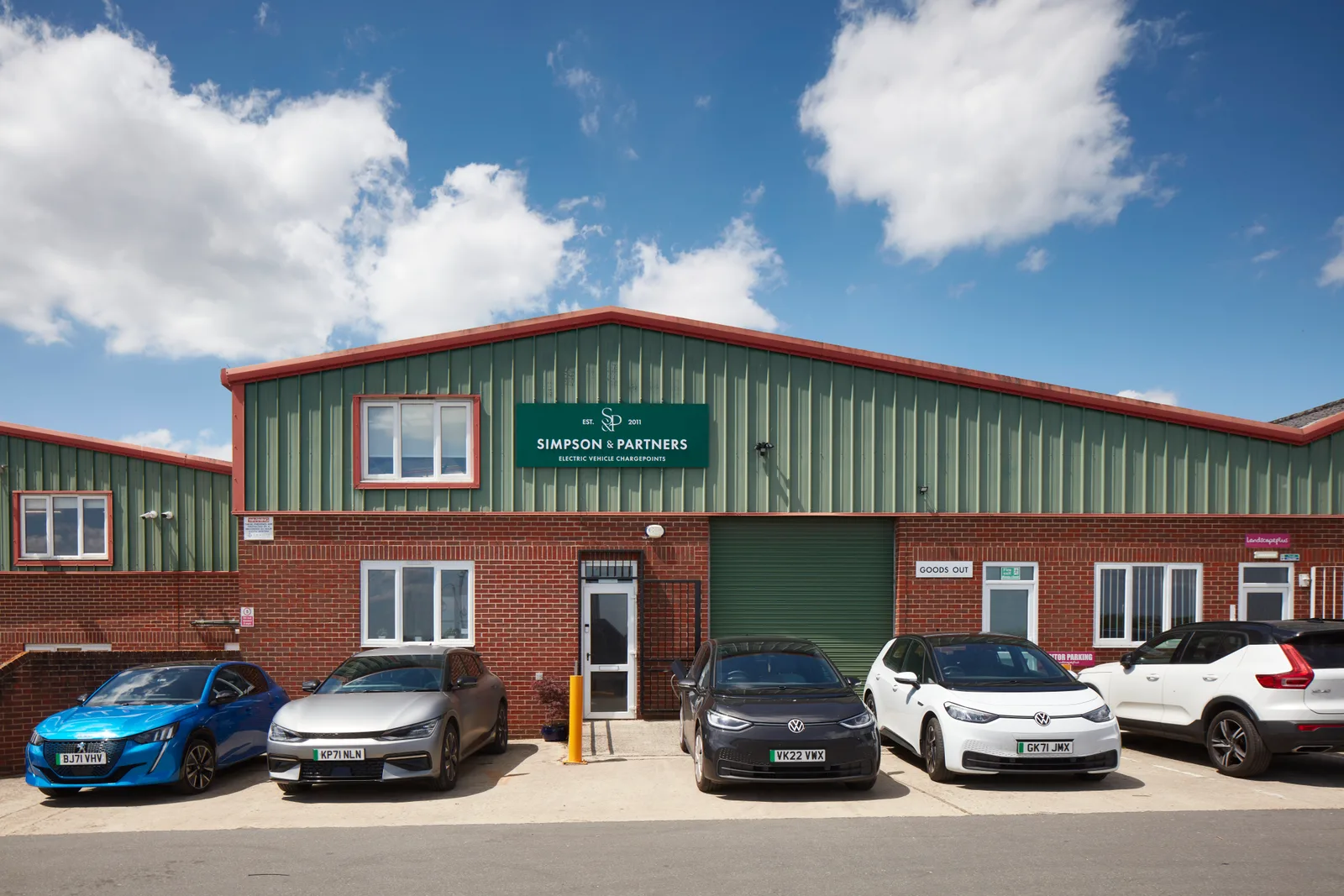
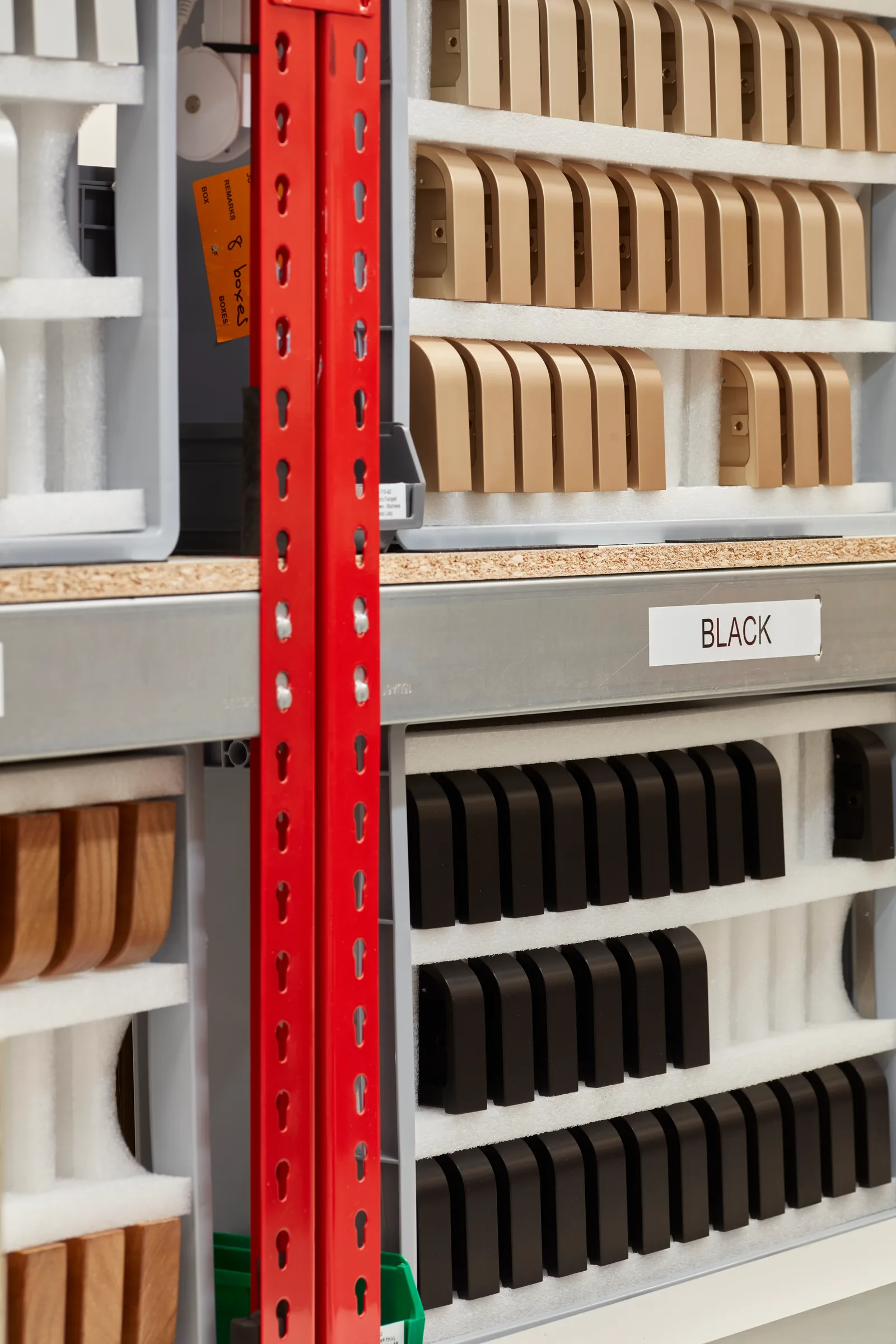
Our HQ doesn't look like much from the outside. It's a modern grey and green metal clad warehouse on an industrial estate at the edge of a village. Other businesses such as John Deere and Landscape Plus are our neighbours. But inside, we have two floors. There are engineers stationed at workbenches. There are timber lids carefully stacked away in boxes. There is the medium sound of a 1980’s playlist from a small speaker upstairs and assembly staff walking about casually dressed in trainers pacing between different assembly stations.
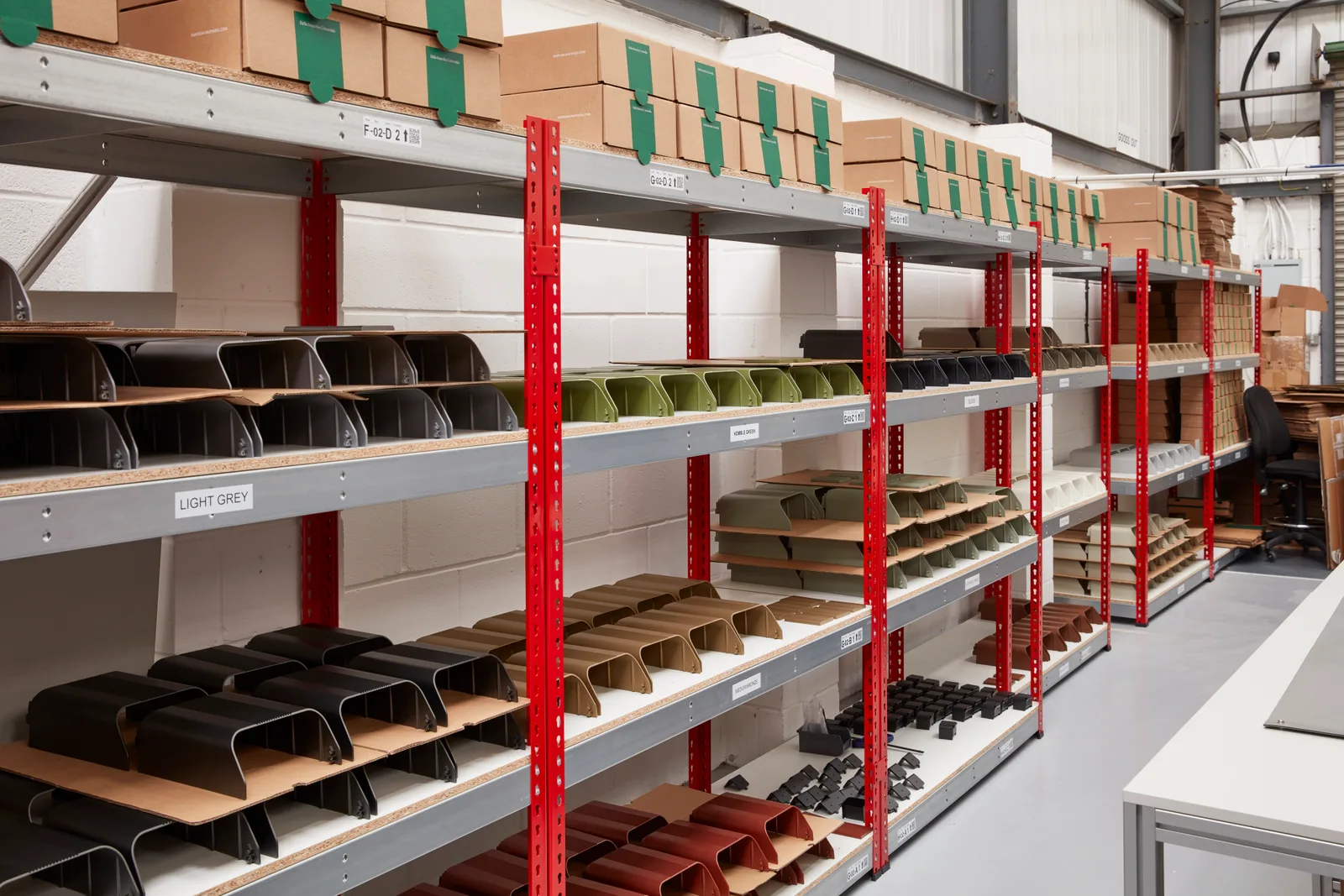
Every charger is built, tested and finished here. Components arrive from a tight circle of suppliers, gets counted, checked and stored in bins around the mezzanine. they leave to their forever homes in cardboard box packaging neatly carefully stacked.
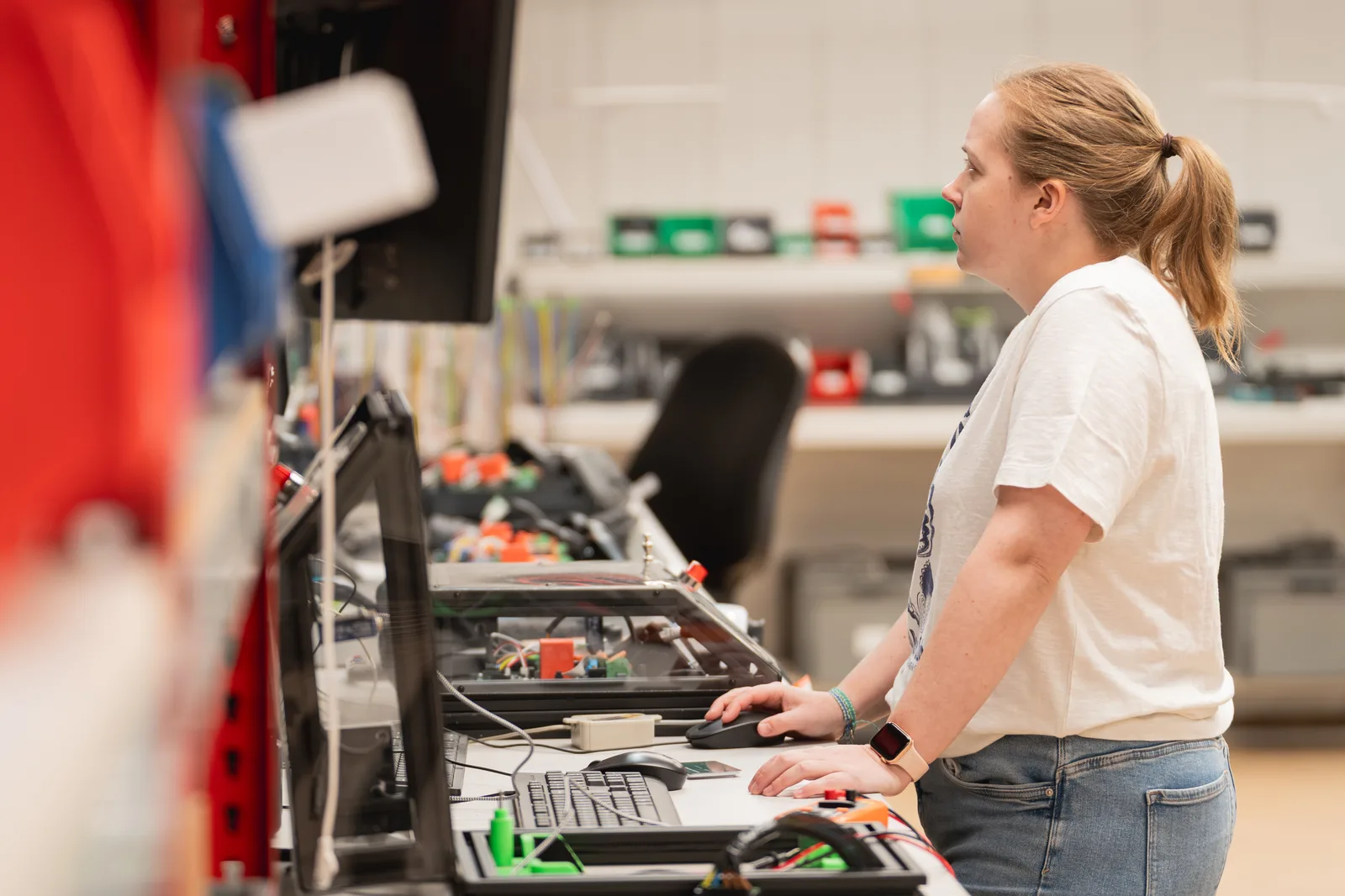
Carly programming Home Series and Business Series chargers.
Designed to be opened
We use commercial-grade, aerospace-standard electronics. Modular. Repairable. Upgradeable. This means that our components are better grade quality than most. When a component reaches the end of its life, it can be replaced - you do't need to replace the whole unit. Hardware belongs in your home, not in landfill.
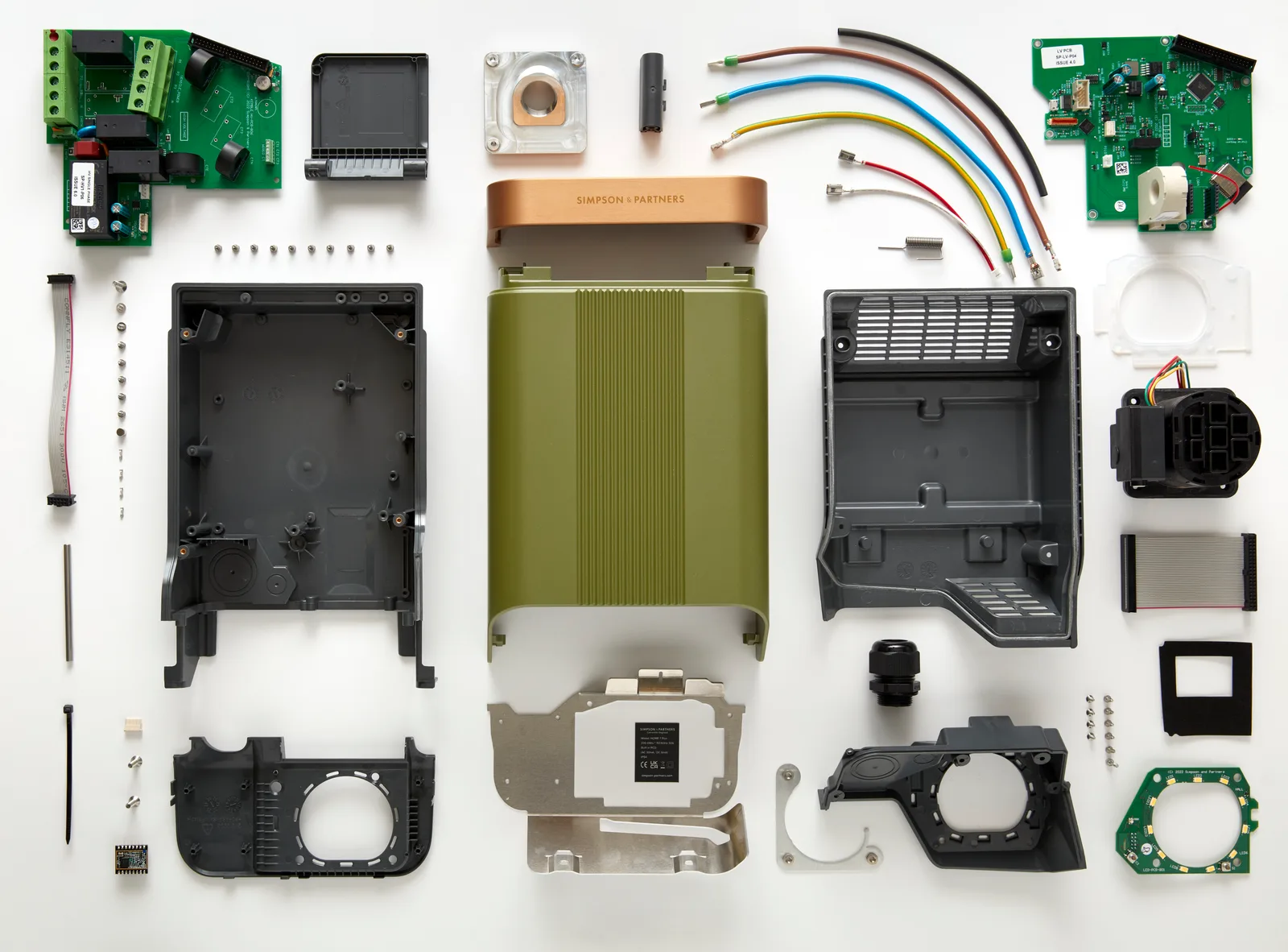
This is, we think, what sustainability actually looks like in the real world. Not a badge. Not a campaign. Just an engineering principle, applied patiently, every day, by people who would rather make one thing properly than ten things quickly.